To help more experienced writers move ongoing work towards a publishable standard.
1 starting date
-
Starting date:
- Duration: 10 weeks
- Time: to
- Fees: £350 (no VAT)
- Occurs: Wednesday
- Location: Online
- Booking deadline:
- Last few placesBook now for 1st May start
Want to find out more?
Testimonials
Writers’ Workshop Course overview
This is an advanced fiction-writing short course designed to help experienced writers move ongoing work towards a publishable standard.
The generous length of each fiction submission (three submissions of up to 5000 words each, up to a total of 15,000 words) is, we believe, unique among courses at this level.
If you’re writing or have written a short story collection or novel, and want to make the best impression when submitting it to publishers and agents, this is an ideal place to start.
Equally, if your aim is simply to develop your writing in a disciplined and constructive workshop environment, this course is for you.
Students' fiction (chapters from novels or short stories) will be circulated to fellow students and tutor and then constructively critiqued within the group.
You may also submit and workshop a synopsis of your novel; write an author biog and covering letter to send to agents and publishers; and will select a topic for proposed discussion in class (e.g. pace, multiple viewpoints).
The size of the Writers’ Workshop classes is restricted to 12 students, so early booking is advised. For anyone interested in applying to The Novel Studio, Writers' Workshop is excellent preparation.
Writers' Workshop students with long-term projects such as novels may choose to return to the class over consecutive terms, in order to benefit from the opportunity to develop their work in depth and at greater length.
Learn from a published author and experienced editor with a proven track record of alumni publication.
Who is it for?
This is an advanced fiction-writing short course designed to help experienced writers take their ongoing work to the next level, towards a publishable standard.
Find out more about our Fiction writing courses
Timetable
Writers’ Workshop takes place one evening per week for ten weeks.
City Short Courses follow the academic year, delivering courses over three terms. These include:
- Autumn - October
- Spring - January
- Summer - April
Benefits
- Delivered by a published author
- Taught in small groups
- Awarded a City, University of London certificate
What will I learn?
Over the course of 10 weekly evening classes on the Writers' Workshop short course, you will learn to:
- Understand the construction of a sustained piece or collection of fiction;
- Set and meet writing deadlines and guidelines (e.g. length requirements);
- Give, receive and apply constructive criticism;
- Revise and edit your work;
- Put together a submission for an agent or publisher, consisting of a covering letter, synopsis or pitch, and your first three chapters or three short stories.
You will learn the construction of a sustained piece of fiction, edit and draft your work based on the feedback from the tutor and the group, and understand how to prepare your work for publication.
Assessment and certificates
Students’ fiction will be circulated in advance and then constructively critiqued within the group.
The generous length of each fiction submission (up to 5000 words) is, we believe, unique among courses at this level.
Over the course of ten weeks, each student will submit three pieces of fiction (novel chapters or short stories) of 2000-5000 words each, up to a total of 15,000 words, including a novel synopsis/short story collection pitch (optional) and covering letter to an agent or publisher.
Eligibility
Applicants should have some experience of writing fiction and be aiming to move their work towards a publishable standard.
English requirements
Applicants must be proficient in written and spoken English.
Recommended reading
- Darby, K. and Potts, C. Eds. 2012. London Lies. London: Arachne Press.
- Gordimer, N. Ed. 2004. Telling Tales. London: Bloomsbury.
- Taylor, J. Ed. 2012. Overheard: Stories to Read Aloud. Cambridge: Salt Publishing
- Mittelmark, H. and Newman, S, (2009) How Not To Write A Novel. London: Bloomsbury.
- The Writers' and Artists' Yearbook (annual). London: Macmillan.
- Mullan J. (2006) How Novels Work. OUP Oxford
Tutor
-
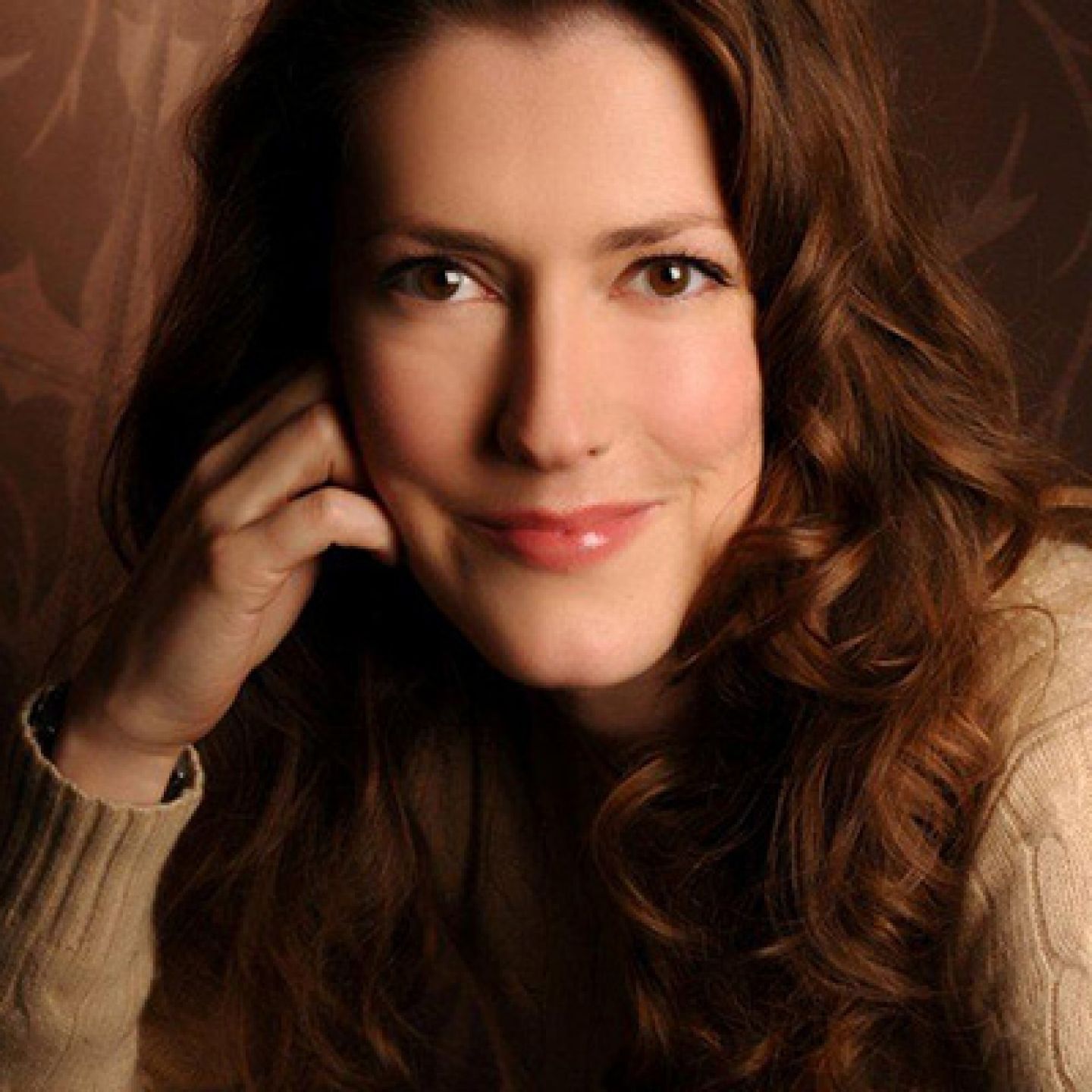
Katy Darby
Katy Darby's short stories have been read on BBC Radio 4 and 4Extra, published in magazines including Slice, Mslexia and The London Magazine, and won prizes in several international fiction competitions. Her historical novel The Unpierced Heart is published by Penguin.
She has a BA in English from Oxford University and an MA in Creative Writing from UEA, where she received the David Higham Award. Her latest stories are available in the anthologies Five by Five and An Outbreak of Peace.
She’s a former editor of short story magazine Litro, and is co-founder and director of the award-winning, internationally franchised live fiction event Liars' League ( www.liarsleague.com).
Katy has written for the TLS, and the Brixton Review of Books, co-edited four anthologies of short stories with Cherry Potts of Arachne Press, and recently judged the Cambridge Short Story Prize and the International Willesden Herald Story Prize.
