The Novel Studio offers 15 selected students the unique opportunity to work exclusively on their novels for a year.
1 starting date
Want to find out more?
Testimonials
-
I just wanted to say a thank you. I've grown so much as a writer since joining the Novel Studio. The feedback I've received from the tutors on the course gave me the confidence to write the short story and enter the contest. Getting feedback from my peers was a welcome bonus.
-
Applying for The Novel Studio was one of the best decisions I've made. The structure of the course allowed me to fit it around my job, but also gave me the space to focus on my writing. The classes were engaging, informative and helped me to shape my idea into a fully-fledged novel. I've recently signed with an agent, who I met due to the anthology we sent out at the end of the course.
-
I benefited enormously from being able to develop my novel in an environment that was both demanding and supportive, and my writing improved considerably over the course. The tutorial guidance is excellent and sensitively applied. The standard of students is very high, and one of the best benefits was forming a long-term relationship (and friendship) with such talented fellow-writers.

- Course overview
- What will I learn?
- Assessment and certificates
- How to apply
- Eligibility
- Recommended reading
The Novel Studio Course overview
Six modules, taught by professional writers and editors, guide students through the tricky terrain of novel writing, from plotting, planning and researching a novel, through to character development, pacing, narrative voice and style, revisions and editing.
By the end of this year-long novel writing course, students will have developed the skills needed to draft their novels and the necessary materials to interest an agent in their work: three polished chapters, a professional-standard synopsis and a blurb.
Students are also trained for public readings, culminating in a prestigious showcasing of their novels-in-progress to industry guests. See our Novel Studio Anthology 2023.
Students are also prepared for the presentation of their work to agents and publishers.
Who is it for?
Those who have always wanted to write a novel, who want time to develop their writing in a supportive, professional environment and those interested in establishing links with agents and publishers.
Find out more about our Fiction writing courses
Timetable
Taught over 30 weeks (two evening classes a week), The Novel Studio offers you the opportunity to learn through an exciting and diverse teaching methodology.
Term One
- Research and development (10 weekly classes on Tuesdays)
- Fictional forms (10 weekly classes on Thursdays)
Term Two
- Workshop one (10 weekly classes on Tuesdays)
- Fictional techniques (10 weekly classes on Thursdays
Term Three
- The publishing industry (10 weekly classes on Tuesdays)
- Workshop two (10 weekly classes on Thursdays)
Benefits
With visits from established writers, agents and editors, the course has strong links with the publishing industry and an impressive publication record. Take a look at our array of published alumni.
The Captain Tasos Politis Scholarship
Supporting a talented writer from a low-income household who might not otherwise be able to accept an offer of a place on course.
Apply for the Captain Tasos Politis Novel Studio scholarship.
The Novel Studio competition
In a rare opportunity to bypass the slush pile, all applications to the Novel Studio will automatically be considered for our City Novel Studio Competition.
The best three applications will be passed on to Lucy Luck, literary agent at C&W Agency, with a view to representation.
The competition is open to unpublished novelists writing in any fictional genre for adults, including literary fiction, women's fiction, science fiction, young adult fiction, chick-lit, fantasy, crime fiction, thriller, historical fiction, but not non-fiction or fiction for children.
Read the full competition terms, conditions and information.
What will I learn?
Term 1: Autumn Term
- Research and development
This module looks at the processes involved in plotting, planning and researching a novel, and allows students time to develop their ideas within the group. - Fictional forms
Students will be encouraged to consider their work within a narrative framework by exploring the structures of varied literary and commercial novels.
Term 2: Spring Term
- Workshop one
This module supports students as they begin to write the first draft of their novels, and guides them through the process of reviewing others’ work-in-progress. Students' work is circulated in advance and then constructively critiqued in weekly workshops, facilitated by the tutor. - Fictional techniques
This module teaches students key aspects of craft and enables them to apply these techniques to the development of their own novels.
Term 3: Summer Term
- The publishing industry
This module familiarises students with the publishing industry, with visits from an agent, author and editor, and culminates in an end-of-year reading to invited industry guests. - Workshop two
This is a continuation of Workshop One with specific reference to revising and editing.
Transferable skills
You will:
- Demonstrate a capacity for independent judgement and thought
- Practise skills in critical reasoning and appreciation
- Produce written work to a stipulated length and deadline.
- Understand, question and apply a range of alternative perspectives to your novel writing.
Assessment and certificates
Teaching
Classes take the form of group activities workshops, masterclasses and tutorials.
One-to-one tutorials with the tutors are offered at designated times throughout the course. Students can use this time to discuss their work in progress, share their ideas and plans and consider the deadlines set for their work.
Assessments
The assessment for The Novel Studio is based entirely on course work, which covers aspects of all work undertaken throughout the year. Each module has its own assessment, which is marked by the relevant tutor and overseen by the Course Director. Assessments will include:
- synopsis of novel
- planning document for structuring the novel
- portfolio of writing exercises demonstrating selected fictional techniques
- chapters 1- 4 from novel-in-progress
- blurb and covering letter for agents/publishers.
Certificates
Certificates are awarded to all students who attend 70% of the classes and complete all the module assessments.
How to apply
How to apply
This course is by application only.
Applications will open on 1st February 2024, with a deadline by 5pm on 30 June 2024.
If you want to be considered for the Novel Studio Scholarship, please mark your email subject heading: Captain Tasos Politis Scholarship Application.
Interviews will take place in July 2024, unless otherwise stated.
To apply, please email the course director, Emily Pedder with:
- 2,000 words of your own fiction (short story or novel extract)
- Copy of CV.
Eligibility
Prospective students must be willing to have their writing workshopped as part of the group and to engage actively in critiquing the work of their peers.
Ideally students will also have completed at least one creative writing course.
Acceptance onto the course is determined by interview and a novel extract of no more than 2,000 words.
English requirements
You will need a good level of spoken and written English to enrol on this course.
Recommended reading
This is a background reading list. It is not prescriptive, so students can dip into any of these books at any point in the course. The tutors will refer to a range of novels throughout, as and when it is key to the course and the students' own writing.
- Athill, Diana, Stet. London: Granta
- Blake, Carole, From Pitch to Publication. London: Macmillan
- Boylan, Clare (ed.), The Agony and the Ego: The Art and Strategy of Fiction Writing Explored. London: Penguin Books.
- Brande, Dorothea, Becoming a Writer. London: Macmillan
- Forster, E.M., Aspects of the Novel. London: Penguin Books
- Gardner, J., On Becoming a Novelist. New York: Norton
- Greene, Graham, A Sort of Life. London: Penguin Books
- Hiney, Tom and Macshane, Frank (eds.), The Raymond Chandler Papers: Selected Letters and Non-Fiction 1909-1959. London: Penguin Books
- King, Stephen, On Writing. London: Pocket Books
- Leader, Zachary (ed.), On Modern British Fiction. Oxford: Oxford University Press
- Lodge, David, The Art of Fiction. London: Penguin Books
- Prose, Francine, Reading Like a Writer. Harper Collins
- Steinbeck, John, Journal of a Novel: The East of Eden Letters. London: Penguin Books
- Taylor-Guthrie (ed.), Conversations with Toni Morrison. University of Mississippi Press
- The Paris Review Interviews: Women Writers at Work (1999) London: Harvill Press
- Woolf, Virginia, A Writer's Diary. London: Penguin Books.
Tutors
-

Emily Pedder
Course Director
Emily Pedder’s short fiction has been published widely and has won several prizes, including a Commonwealth short story award and a Ruth Rendell short story award.
Emily has an MA in Writing from Sheffield Hallam, where she founded Matter, a literary anthology. She is a firm believer in the importance of mentoring emerging writers and the power of a good edit, and has worked extensively with writers across the UK for the past decade. Emily course directs the Novel Studio, which she co-founded, as well as heading up the writing short courses at City. More recently she set up an editorial consultancy: The Book Edit.
-
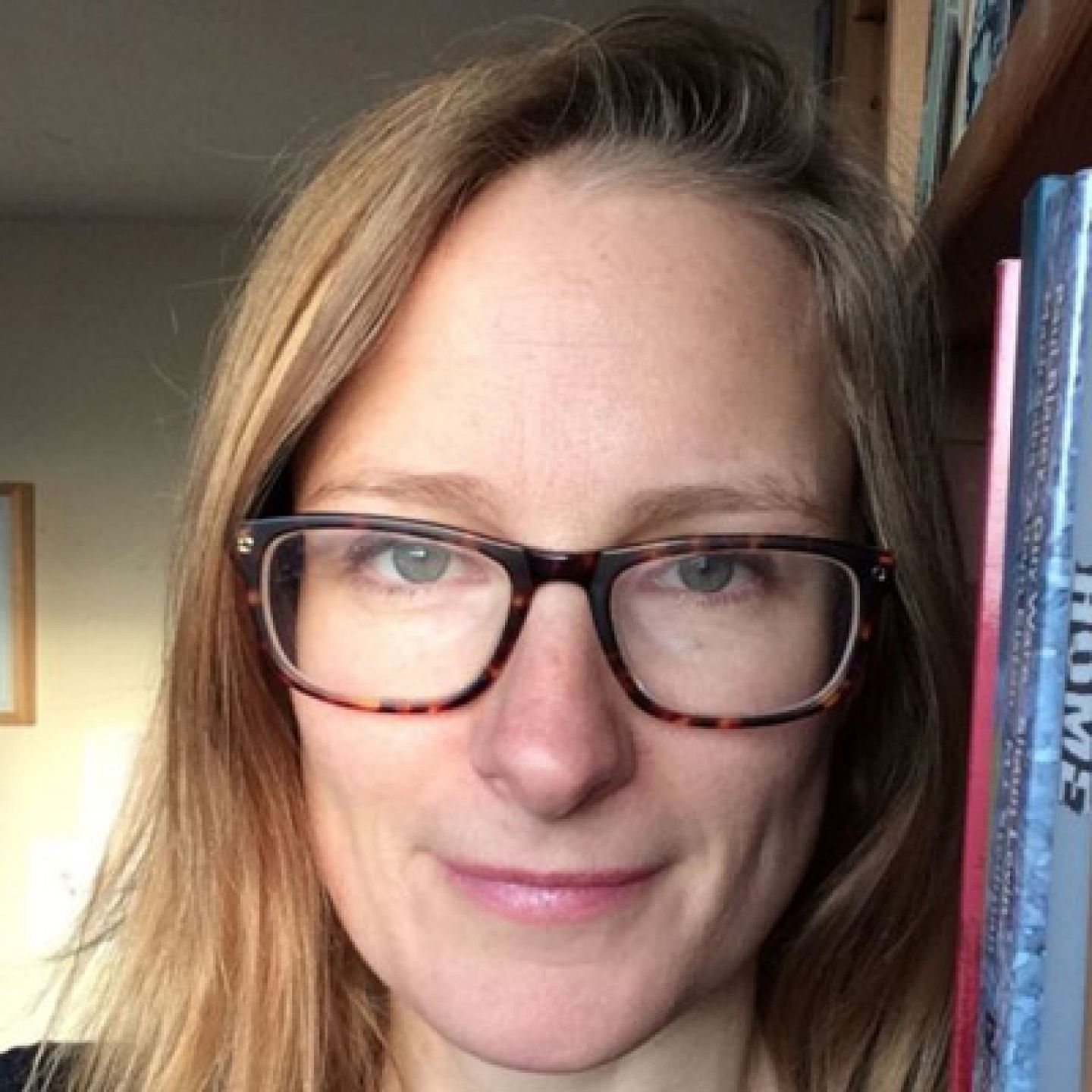
Rebekah Lattin-Rawstone
Novel Studio Tutor
Rebekah is a prize-winning writer, editor and creative writing teacher currently studying for a PhD in Creative Writing at the Open University with a fully funded Open-Oxford-Cambridge Studentship. Her novel Home about a corrupt care home, was published by Red Button Publishing, and her short story chapbook Glitches, is published by Acorn Books.
Rebekah has worked as a creative writing lecturer in several settings for over ten years, devising and delivering workshops for City, University of London, City Short Courses, Bishopsgate Institute, Emmanuel College Cambridge, Pembroke College Cambridge, The Guardian and the Graham Greene Festival.
Rebekah founded City Writes, a termly event set up to showcase the creative writing talent of students and alumni of City, University of London's short creative writing courses. -
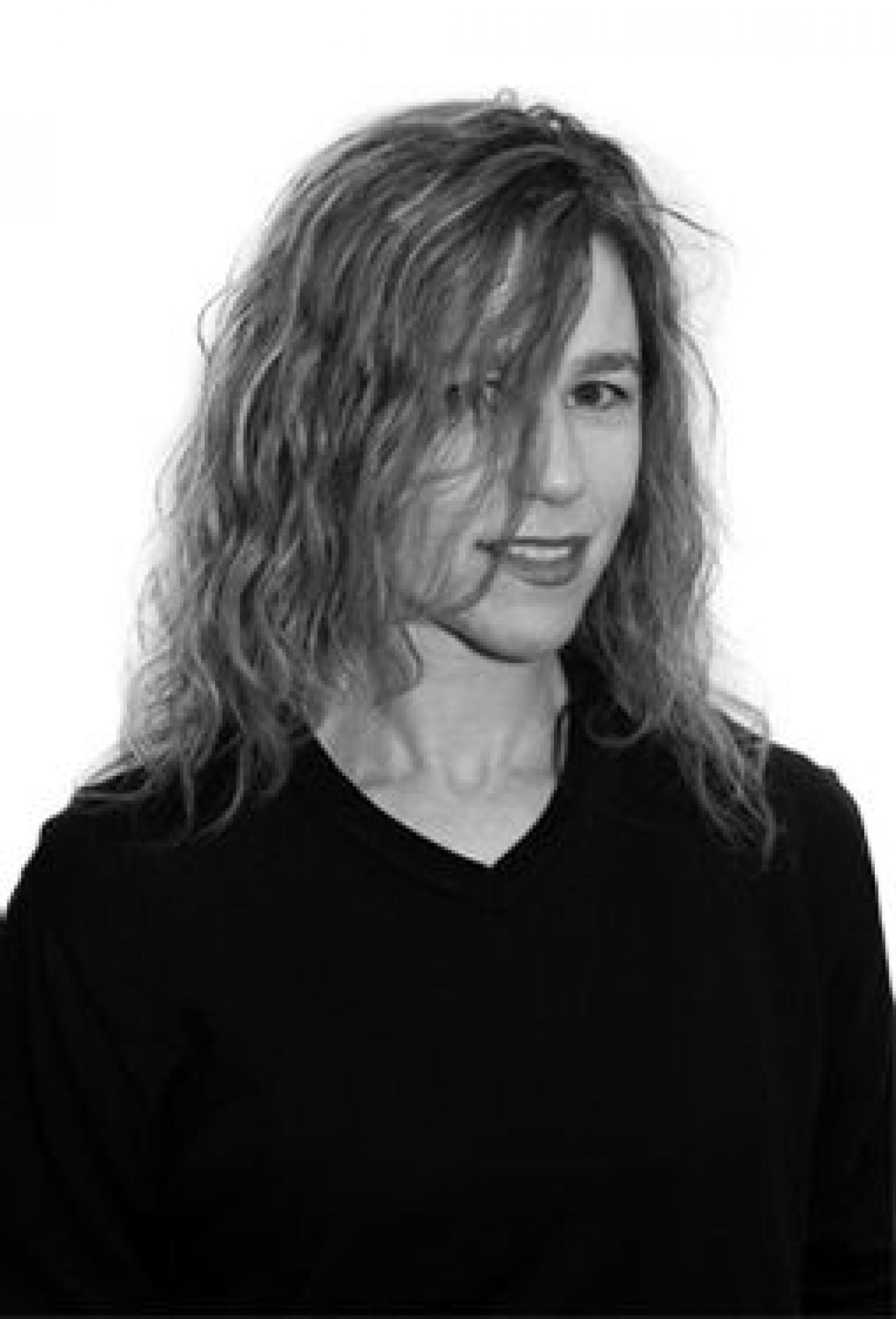
Kiare Ladner
Novel Studio Tutor
Kiare Ladner’s first novel, Nightshift, was published by Picador (UK, 2021) and HarperCollins (USA, 2022). A story of obsession set in London’s liminal world of nightshift workers, the book explores ambivalent female friendship, sexual attraction and lives that defy easy categorization.
Her short stories have been published in anthologies, journals, commissioned for radio and shortlisted in competitions, including the BBC National Short Story Award 2018.
Kiare completed The Novel Studio in 2010 (then the Certificate in Novel Writing). She went on to get funding from David Higham towards an MA (Prose Writing) at the University of East Anglia. After that she received funding for a PhD (Creative Writing) at Aberystwyth University. She was given Curtis Brown’s HW Fisher Scholarship in 2018. In addition to writing, she tutors and mentors other writers of all levels, both in London and on the Creative Writing MA at the University of East Anglia. Now at work on her second novel, you can find her in cyberspace here.


