A solid foundation in how to write and edit narrative non-fiction, the aim of this course is to encourage and inspire students in their writing.
2 starting dates
-
Starting date:
- Duration: 10 weeks
- Time: to
- Fees: £355 (no VAT)
- Occurs: Tuesday
- Location: Online
- Booking deadline:
- 7 places leftBook now for 30th April start
-
Starting date:
- Duration: 10 weeks
- Time: to
- Fees: £355 (no VAT)
- Occurs: Thursday
- Location: Online
- Booking deadline:
- Last few placesBook now for 2nd May start
Want to find out more?
Testimonials
Narrative Non-Fiction Course overview
Beginning with set exercises and moving on to the student’s work, the class becomes a workshop in which the students benefit from sharing each other's work as well as receiving guidance from the tutor.
The requirements of editors, agents and publishers are explained. Non-fiction of all genres (memoir, biography, travel, history, science and politics) is welcome.
The aim of this Narrative Non-Fiction writing course is to encourage and inspire, through group discussion and individual exercises. Detailed individual feedback and editing of some of the assignments is a special feature of the course, with the aim of teaching students how to edit and judge their own work.
Guidance will also be given on how to prepare a book proposal.
Who is it for?
This Narrative Non-Fiction writing evening course aims to give writers confidence in their ability to deliver good, clean prose, to develop their use of vivid metaphoric language and to structure effectively both long and short works.
Find out more about our Creative writing and publishing courses
Timetable
Taught over 10 weekly evening classes Narrative Non-Fiction writing course offers expert tuition and the flexibility of part-time study. Due to popular demand, you can choose either Tuesday or Thursday evenings.
City Short Courses follow the academic year, delivering courses over three terms:
- Autumn - October
- Spring - January
- Summer - April
Benefits
- An opportunity to develop your non-fiction writing techniques and receive professional feedback on your work from a published writer and editor.
- Led by an award-winning writer, this short course will help you to develop your creativity and critical thinking, as well as your editing skills.
- Additionally, you will receive an insight into the publishing industry, including advice on how to prepare a book proposal.
What will I learn?
Over the course of 10 weekly evening classes on the Narrative Non-fiction short course, you will learn:
- To compose reliable, consistent text for any occasion
- Techniques appropriate for short and long-form articles
- How to write a book proposal
- Literary techniques that create voice and colour in your writing.
You will also gain:
- Detailed critiques and edits for up to 5 assignments
- An understanding of a range of forms from practical composition to literary style
- A strong workshop element, with student work at the heart of each class.
Assessment and certificates
There is no assessment, but the course aims to teach students how to edit and judge their own work through exercises, both individual and in small groups, where reading aloud encourages group discussion.
The aim of this Narrative Non-Fiction writing short course is to encourage students in their writing and offer them the chance to improve their skills.
Guidance will also be given on how to prepare a book proposal.
Participants who attend at least 70% of the classes will receive a certificate with City's logo, stating that they undertook a particular course at City, University of London.
Eligibility
No prior knowledge required.
English requirements
Applicants must be fluent in written and spoken English.
Recommended reading
The list below demonstrates the range of narrative non-fiction available, but is not required pre-course reading.
Suggested reading:
- Katherine Boo, Behind the Beautiful Forevers - a documentary account of a Mumbai slum, written novelistically.
- Edmund de Waal, The Hare with the Amber Eyes - a personal quest memoir.
- Jeanette Winterson, Why be Happy When You Could be Normal - personal memoir.
- Robert MacFarlane, The Old Ways - rhapsodic, highly literary nature writing.
- Rebecca Skloot, The Immortal Life of Henrietta Lacks - the story behind a dramatic and terrible medical story and much more, the writer's relationship with one of the family coming centre-stage.
- Tom Wolfe, The Right Stuff - pioneer text of the New Journalism that spawned creative non-fiction as a genre.
- Robert Pirsig, Zen and the Art of Motorcycle Maintenance - philosophic polemic/personal narrative intertwined.
- James D. Watson, The Double Helix - pioneering work of telling science like it is.
Other reading on language and writing:
- Guy Deutscher, The Unfolding of Language (Arrow Books). Revelatory book on the evolution of language. It will never look the same again.
- John Whale, Put it in Writing (out of print but available very cheap from Amazon if you're quick).
- Keith Waterhouse, Waterhouse on Newspaper Style (Revel Barker). Don't be put off by the title. All writers will enjoy Waterhouse's pithy take on language.
- Lynne Truss, Eats, Shoot and Leaves (Fourth Estate). The classic that manages to make punctuation entertaining.
Tutors
-
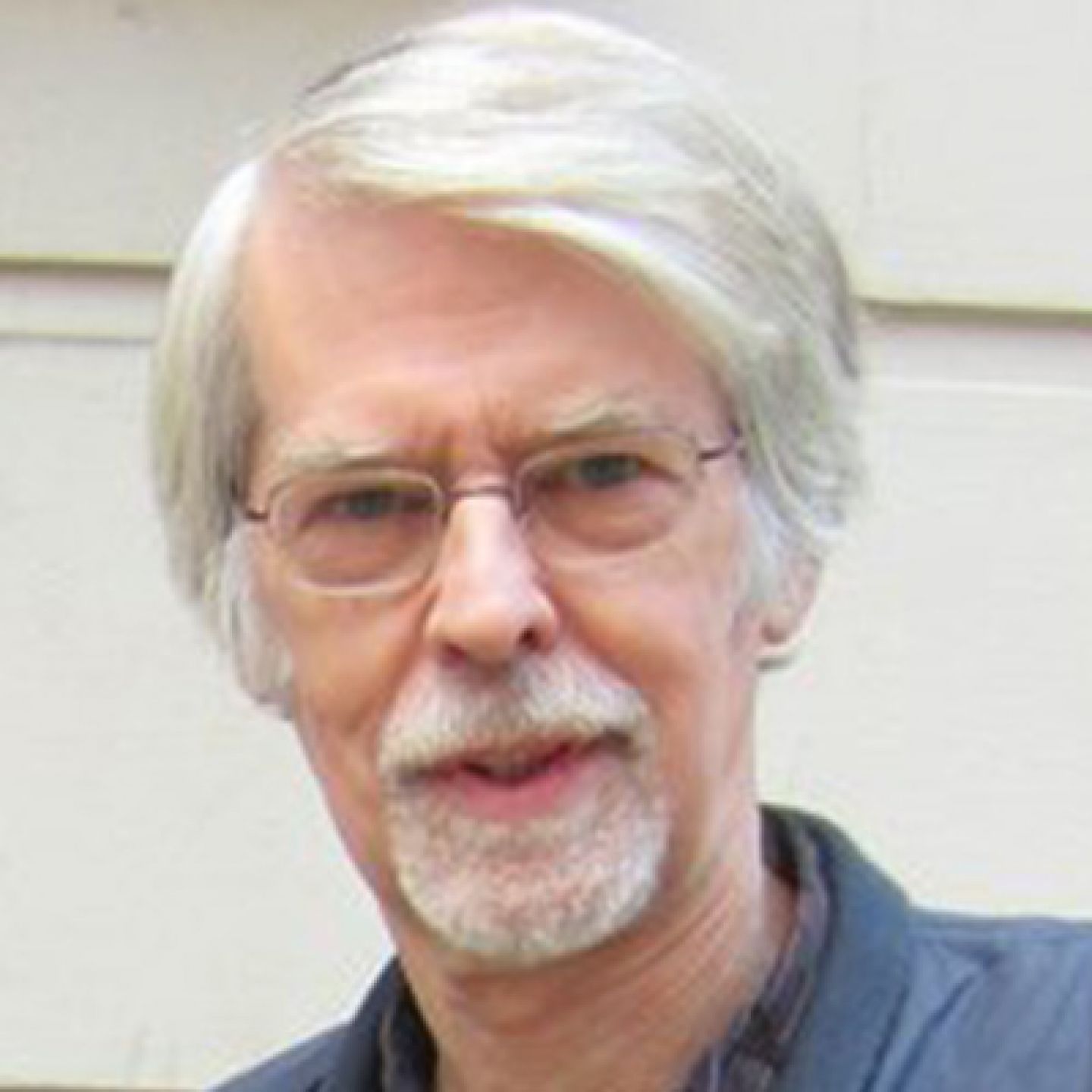
Peter Forbes (Tuesdays)
Peter Forbes is a science writer, editor and teacher. He has written numerous articles and reviews for the Guardian, Independent, The Times, Financial Times, Aeon, Nature, Scientific American, New Scientist, World Medicine, Modern Painters, New Statesman, and other magazines.
He was editor of the Poetry Society's Poetry Review from 1986-2002, and played a major role in the groundbreaking New Generation Poets promotion of 1994. He then edited Scanning the Century: The Penguin Book of the Twentieth Century in Poetry (Viking, 1999).
The Gecko’s Foot, a book on the new science of bio-inspired materials, was published by Fourth Estate in 2005 and was long-listed for the Royal Society Prize. Dazzled and Deceived: Mimicry and camouflage (Yale University Press, 2009) won the 2011 Warwick Prize for Writing. His latest book is Nanoscience: Giants of the Infinitesimal (Papadakis), co-written with the sculptor Tom Grimsey.
Peter has been a Royal Literary Fund Writing Fellow at Queen Mary, University of London, St George’s, University of London and Great Ormond Street Hospital and teaches a PhD writing workshop at UCL. He has also run writing workshops at Goldsmiths, University of London and Buzzfeed.
-

Holly Rigby (Thursdays)
Holly Rigby is a writer, teacher and activist. She has been a frequent contributor to The Guardian, The Independent and the TES, and has appeared on BBC, Sky News and Channel 4 as a political commentator on current affairs programming.
Holly was an English teacher in inner London schools for almost a decade, and is currently working on a book about the UK education system, published by Repeater Books in early 2024.
She co-ordinated an award-winning youth slam poetry collective between 2013 and 2017, and took a team of youth poets to Washington DC in 2016 to compete in Brave New Voices, the largest youth poetry slam in the world.
She is the founder and facilitator of the Repeater Books Writers Group, which seeks to offer pastoral and editorial support to writers working on book-length projects. She is passionate about writing in community as an act of collective joy, and believes that writing can help us understand ourselves and the world, in order that we might change it for the better.
Holly holds a Masters in Comparative Literature from UCL, as well as a Masters in Education Policy from King’s College London, where her research focused on the creation of a National Education Service.

