Recruiters

News

Staff at the Career and Skills Development Service aim to select the hottest campus news for you, in order to help you gain an insight into life at City University London and into our work with students to help them prepare for life after graduation.

What makes a successful campus campaign?

Engaging closely with the Careers Service

Careers Consultants and Employer Liaison professionals know their students really well, so it is always worth consulting them before you decide what kind of activities to get involved with on campus. Student mindsets vary widely between different institutions and there are certain activities that would work amazingly well with students at one institution, but would not be as popular when applied somewhere else. It is therefore important to engage in discussions with Careers Services about what would suit your organisation and your recruitment needs best.

Maintaining one main point of contact

It is important to maintain one main point of contact when organising campus events. By booking your events via the Careers Centre, you can avoid clashes with other campus activities or competitor events and ensure that the timing is ideal for you to get maximum attendance. When liaising directly with Departments or with Student Societies, it is always worth informing the Careers Centre of any activities you are planning, so that we can help with promotion and make sure clashes are avoided.

Contributing to the skills programme

Most Careers Services deliver a skills programme on campus throughout the academic year. Getting involved with this programme will help share expertise and good practice with Careers Consultants while at the same time helping you gain exposure to a large number of students. A lot of these sessions are organised by Careers Services in direct collaboration with academic departments or for specific year groups and can, therefore, help you promote your organisation to a very relevant and focused target audience.

Investing time and resources to attend events and talk to students

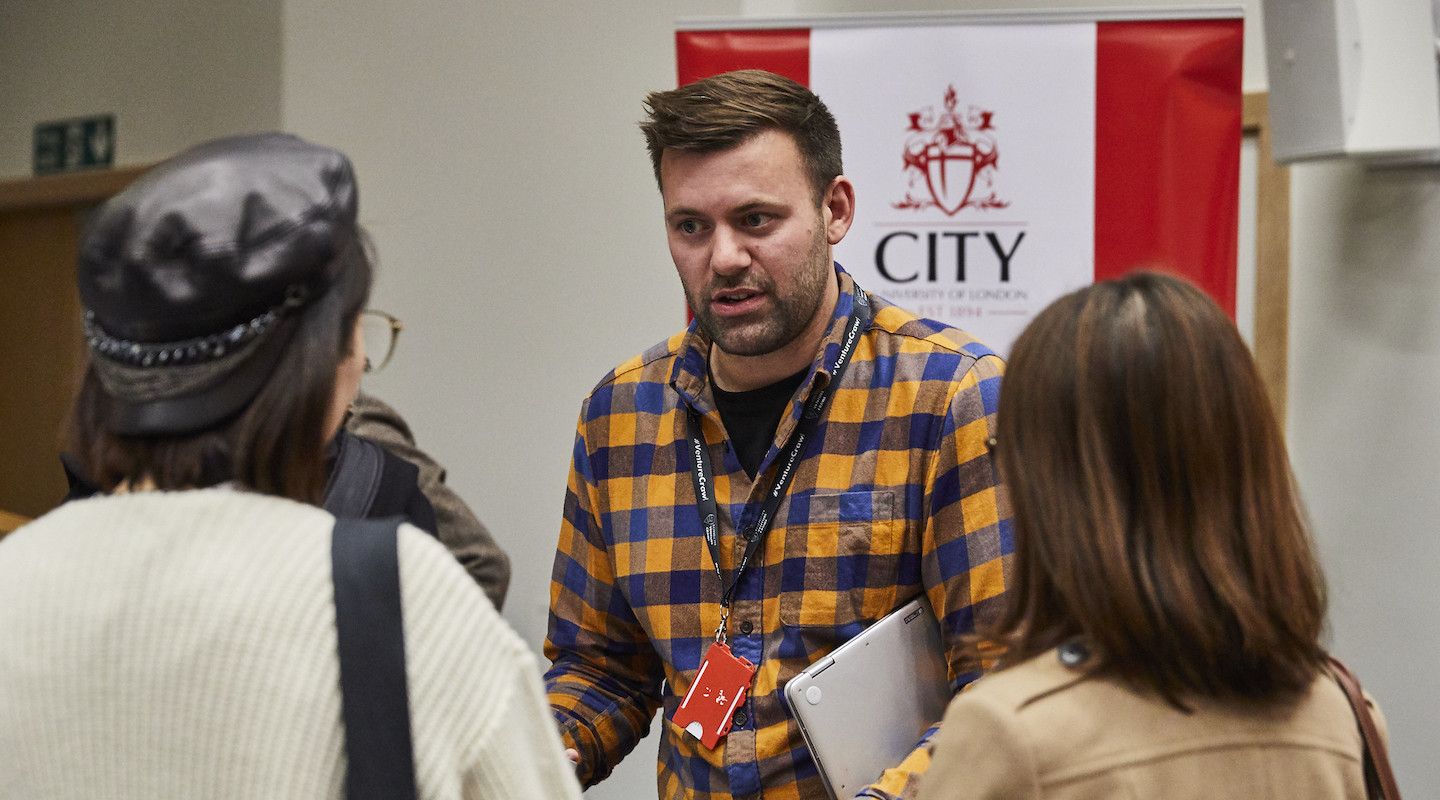
Spending time to attend events on campus and talk to students is an investment that will definitely pay off. Students like to talk to employers in person and are always keen to meet recent graduates who have been in their shoes a couple of years back. There is no better way to create a positive impression on students and make sure that they apply for your schemes than sending some of your colleagues on campus to talk to them about the organisation, the recruitment process and their personal experience. As mentioned above, there are a number of activities that you can get involved with on campus and you need to make sure that you don't replace face to face contact with a flashy banner on a website, putting up posters or sending in hundreds of your recruitment brochures.

Have a consistent presence on campus

Employers that don't do very well on campus are the ones who don't have a consistent presence. Absence from campus activities for a significant period of time might have a very serious impact on your campus brand, which means that you will need to invest more time rebuilding your brand and re-establishing a successful communication with students. However, you should definitely not try to get involved with too many activities, if your resources don't allow you to and end up not preparing properly for some of them. Sometimes less is more and running a few quality events is definitely much better than running a large number of not very well prepared activities.

Back to contents.

Have students' attitudes changed? 

With the autumn term at its end and employer presence on campus weathering down, we have had the opportunity to catch our breath and reflect on what happened at City over the past 2 months. One of the things we noticed this term is that student interest in employer-led activities has increased dramatically. This term we have seen over 3500 students attend a range of campus-based activities from our sector specific career fairs to milkround presentations, industry insight evenings and skills sessions. So what happened since the summer that helped change the students' mentality and attitude from the high disengagement levels that we saw on campus during the second half of last academic year?

Media coverage of the graduate job market has improved

One thing is for sure: media coverage of the recession and the graduate recruitment market has moved away from the doom and gloom of "no jobs available for graduates" to a more objective approach of the situation and a fairer representation of graduate recruiters' intentions. Some early signs of economic recovery across the EU and the USA have also helped paint a less bleak picture of the graduate recruitment market and of what might lie ahead for those that will be graduating in 2-3 years time.

Students invest more time to prepare for the selection process

As a result, we have seen high levels of optimism amongst our students combined, however, with an understanding of how competitive the graduate recruitment market is at the moment and of the level of commitment that is required on their part in order to be successful. We have noticed that our students are now more determined and are investing more time in preparing for the application and selection process. This has increased demand for our services to an unprecedented level, with our Careers Consultants offering over 800 one-to-one appointments in September and October alone, including CV and cover letter checks, guidance sessions and mock interviews.

High levels of engagement among first years 

What we have also noticed is a particularly high level of engagement among first year students. Approximately 20% of students who attended career fairs and employer-led sessions on campus this term were in their first year of study. This is very encouraging for us, as it means that students are gaining an understanding of what different organisations expect from them and what kind of skills they should be looking to develop during their time at University to get ahead of the competition. It is also an excellent opportunity for recruiters to gain exposure to students at a very early stage in their career decision-making process and increase awareness of their brand and opportunities.

What is our responsibility?

Employers and Career Services have a responsibility towards students to provide them with an honest and accurate image of the graduate recruitment market in order to help them maintain a positive attitude while managing their expectations at the same time. We are currently planning a series of skills sessions and other events for the spring term, in order to make sure that our students feel supported during their job search and that they keep a positive and optimistic mindset. We always welcome employer involvement with the delivery of these sessions and would like to hear from any organisations who are interested in participating.

Back to contents.

Employers: 7 ways of being at a career fair

From the feedback we have collected from students who have attended our fairs over the past 4 years as well as our own experience at the career service, we have put together 7 tips for employers to consider when being at a career fair. 

We hope these tips will help your organisation take advantage of these events and maximise the number and quality of the applications you receive as a direct result of attending.

1. Be prepared 

Students ask lots of questions about application & selection processes and it makes a huge difference if exhibitors are prepared to answer questions about their online application forms, as well as their online tests and assessment centres. Make sure the employees who attend these events are adequately briefed on the different roles and entry routes available at your organisation and are able to talk in detail about the skills and experience you are looking for.

2. Be a face-to-face communicator

Students get frustrated when the answer to all their questions is "you can find that information on our website". Students attend these events in order to talk to employers face-to-face and find it much more valuable than just browsing through a website.

3. Be enthusiastic

Remember that the students are there to assess the different company cultures and get a feel of the people who work at your organisation. It makes a huge difference to them if they are greeted by people who are enthusiastic about their jobs and keen to talk to them and answer their queries.

4. Be more than one

We advise you to send a combination of HR professionals and recent graduates at these events. HR staff are good at replying to questions about the application and selection process, yet recent graduates can talk about their personal experience of joining the organization - something which students value. By sending a mix of employees you can make sure that all student queries get appropriately answered.

5. Be with university alumni

Students feel more comfortable talking to alumni of their own institution and it helps conversations run smoothly. Speaking to alumni will also encourage students to apply to your organisation, knowing that graduates of their university have been successful in the past.

6. Be with senior management

It will create a very good impression amongst the students who attend the fair, as they will see that senior management has taken the time to attend the event and address their queries. This will set you apart from the other exhibitors.

7. Be able to relax

Careers Fairs usually last around 3-4 hours (some even longer than that). As we are sure a lot of you know already, it is extremely difficult for exhibitors to continually talk to students. Make sure you send enough staff to these events to allow everyone to have regular breaks. Alternatively, you can arrange for your representatives to do 2-hour shifts each. This will definitely keep everyone happy and smiling throughout!

Back to contents.